Temperature measurement plays a vital role in various industries, from manufacturing to environmental monitoring. Among the many tools available, PT100 sensors have earned their reputation for being highly accurate and reliable. These sensors are preferred in applications requiring precision and stability. This blog explores what PT100 sensors are, their advantages, how they compare to thermocouples, and where they are commonly used.
Table of contents:
What is a PT100 Sensor and How Does It Work?
Advantages of Using PT100 Sensors in Industrial Applications
Comparing PT100 Sensors with Thermocouples: Accuracy and Stability
Common Applications of PT100 Temperature Sensors
A PT100 sensor is a type of resistance temperature detector (RTD). It operates based on the principle that the resistance of a material changes with temperature. Specifically, in PT100 sensors, the resistance increases linearly as the temperature rises. The “PT” in the name refers to platinum, the material used for the sensing element, while "100" indicates that the sensor’s resistance is 100 ohms at 0°C. This design ensures high accuracy in temperature measurement, with a testing range that typically spans from -200°C to +850°C. PT100 sensors are encapsulated in durable materials like stainless steel for reliable performance in harsh conditions. The sensor’s resistance readings are converted into temperature values, making them ideal for precise applications such as laboratory experiments, industrial processes, and even pharmaceutical environments.
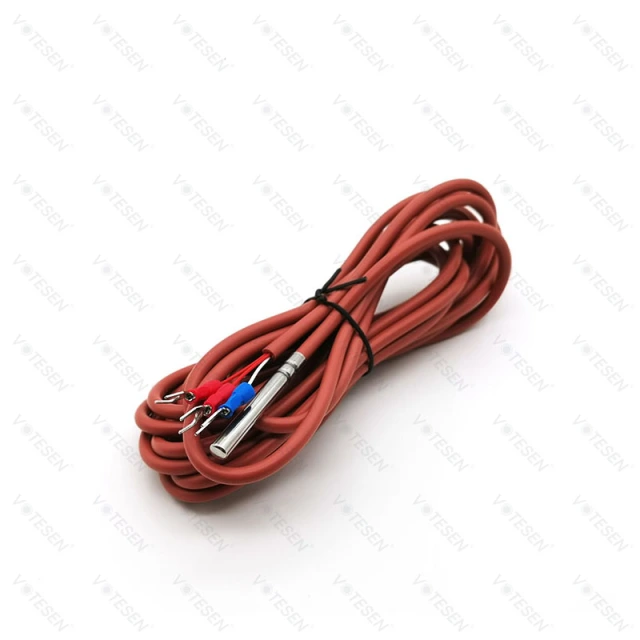
Industrial processes often demand precision, and PT100 temperature sensor excel in meeting this requirement. One major benefit is their exceptional accuracy compared to other types of sensors. For instance, they offer measurements with minimal error margins, which is critical in fields like aerospace, manufacturing, and food storage. PT100 sensors are also celebrated for their stability over time. Unlike some other sensors, they maintain their accuracy without requiring frequent recalibration, which saves both time and costs. Additionally, PT100 sensors can operate effectively under extreme temperature conditions and harsh environmental factors, such as high pressure or humidity. This robust performance makes them a preferred choice for industrial machinery, HVAC systems, and cold chain logistics. The sensors are also available in customizable designs, including various probe materials, diameters, and cable lengths, allowing them to cater to specific industrial needs.
When deciding between a PT100 sensor and a thermocouple, understanding the differences is crucial. The most notable distinction lies in measurement accuracy. PT100 sensors provide high precision and low drift, making them suitable for tasks requiring consistent and reliable readings. Thermocouples, on the other hand, excel in measuring extremely high temperatures, often exceeding the range of PT100 sensors. However, they are less accurate and stable over time, with potential for higher error margins due to environmental factors. PT100 sensors are also easier to handle, requiring fewer calibration efforts compared to thermocouples. While thermocouples are often more cost-effective for applications that prioritize wide temperature ranges over accuracy, PT100 sensors are the superior choice where long-term reliability and precision are essential.
PT100 temperature sensors are used across a diverse range of industries due to their versatility and accuracy. One of their most common applications is in HVAC systems, where they enable effective temperature monitoring to ensure energy efficiency and indoor comfort. They are also widely used in industrial machinery to monitor operating temperatures, preventing overheating and ensuring safety protocols are met. Another key domain is environmental monitoring, where PT100 sensors help track ambient temperatures in outdoor settings or controlled environments like greenhouses. The pharmaceutical industry relies on these sensors for precise temperature measurements in labs and during vaccine storage, where adherence to strict temperature ranges is crucial. Other applications include cold chain logistics for food and beverage storage, ensuring that perishable goods are kept within their safe temperature range. Additionally, PT100 sensors are increasingly integrated into IoT devices and data loggers, enhancing remote monitoring and predictive maintenance capabilities in modern systems.
Whether you’re monitoring temperature for industrial processes or ensuring the quality of perishable goods, PT100 sensors deliver the precision and reliability you can depend on. Their robust design and long-term stability make them indispensable across various applications, ensuring operational efficiency and safety. For those seeking an advanced, customizable solution for accurate temperature measurement, the PT100 temperature sensor remains an industry favorite. When choosing a temperature sensor, understanding your specific requirements is essential. If you’re ready to invest in precision and durability, explore the range of PT100 sensors available online, including designs tailored to meet unique industrial needs.


